
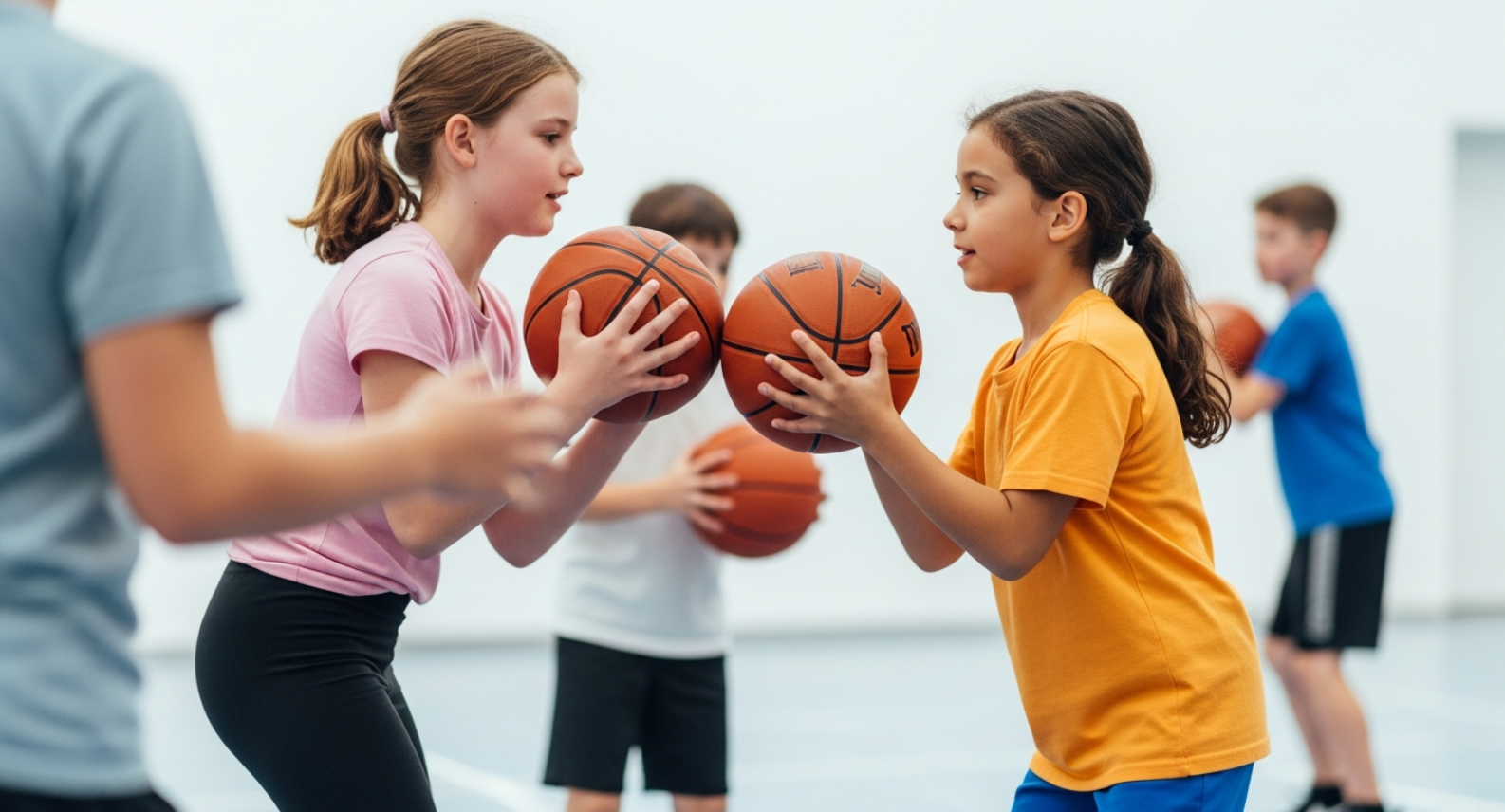
Basketball is not about the number of points and the victories. It is a group game and involves communication, trust, collaboration and good relations among players. In the case of young athletes, the ability to work as a team can enhance performance on the court and make the team environment a positive one.
Although basketball drills assist players to enhance their skills, team building activities among youth basketball players assist in forming stronger bonds, improved communication and winning spirit. By involving fun and meaningful activities, coaches can make young players realize the need to work together.
Why Team Building Matters in Youth Basketball?
A winning basketball team is founded on trust. Players must understand that their teammates will be there to help them in difficult situations, be it passing the ball to a difficult player, defending an attacker or picking themselves up after an error.
Team building activities enable young basketball players to acquire valuable leadership, problem solving, communication, and respect skills. New players also feel more at ease and integrated with their team members because of these activities.
When the players establish good relationships off the field, they tend to play better as a team.
Partner Passing Challenges
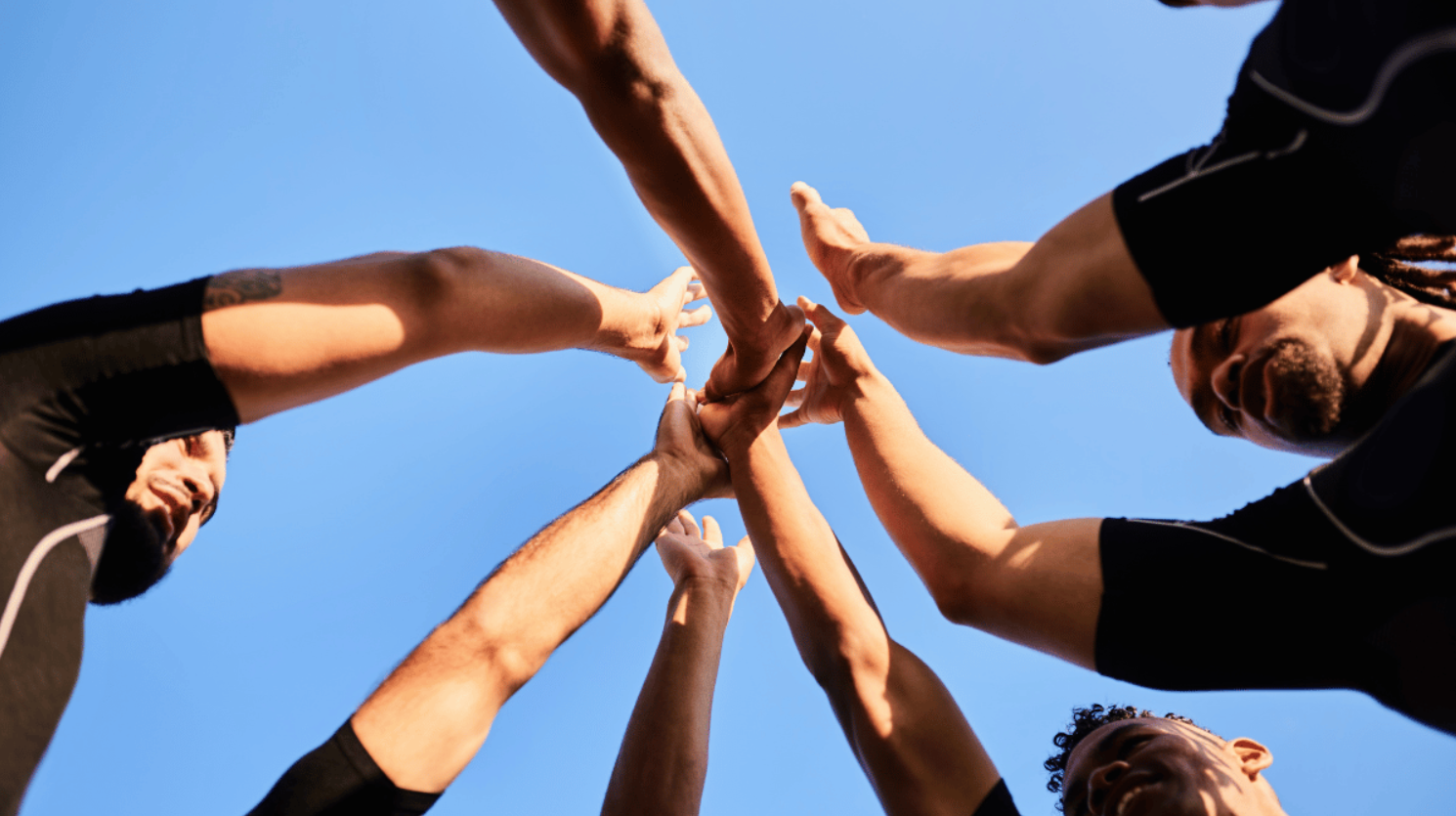
Partner passing activities are easy yet effective methods of enhancing teamwork and communication. Players play in pairs and concentrate on accuracy, timing, and awareness in passing.
Coaches can make this activity more challenging by adding movement, limited passing options, or time goals. It is not only to pass but also to educate players to trust and comprehend the movements of each other.
This exercise will make young athletes realize that winning basketball is a team effort, not an individual one.
Team Communication Drills
One of the most significant skills of basketball is communication. Players are required to communicate on the field, pass and direct their colleagues in the dynamic moments.
One of the communication exercises can be a blindfold or limited-vision game in which participants are to use verbal communication to follow the instructions of their teammates. The other alternative is a defensive challenge where the players have to speak up to halt an offensive move.
Through these activities, players learn to use their voices in the best way and develop confidence in collaborating.
Basketball Obstacle Course Challenge
A basketball obstacle course is a combination of teamwork and skill development. Players are tasked with dribbling, shooting, passing, and movement with teammates to complete challenges.
Teams can also accomplish the course together through supporting one another, as opposed to competing on an individual basis. The more powerful players can motivate other players who might require additional assistance.
This exercise is very entertaining and educative in terms of patience, teamwork and problem solving.
Team Scavenger Hunt
Another activity that can be used to unite players is a basketball scavenger hunt, which is not necessarily based on practice drills. The coaches may develop challenges based on basketball skills, team history or problem solving.
Gamers can play in teams to accomplish tasks that involve collaboration and teamwork. This exercise is particularly useful in the early stages of a season when the players are still familiarizing themselves.
A scavenger hunt among teams fosters friendships and leaves good memories that bond the team.
Trust-Building Activities for Young Players
Every successful basketball team is based on trust. Players should have trust in the ability of their teammates to make the correct decisions and support them.
Simple trust games may involve partner exercises, group problem solving games or scenarios where players have to trust teammates to guide them. These exercises enable athletes to know the value of supporting each other.
Developing trust at the beginning can enhance teamwork in tight matches when players are required to rely on each other in times of need.
Small-Sided Basketball Games
Small-sided games are the most effective to learn to work in a team and keep players interested. Games such as 3-on-3 or 4-on-4 promote more passing, communication and decision-making.
Since all players receive increased participation, young athletes understand how to become part of the team, rather than relying on a few or two players. Basketball IQ and awareness are also developed with these games.
To promote teamwork, coaches may introduce special rules, e.g. the number of passes before shooting.
Leadership Roles During Practice
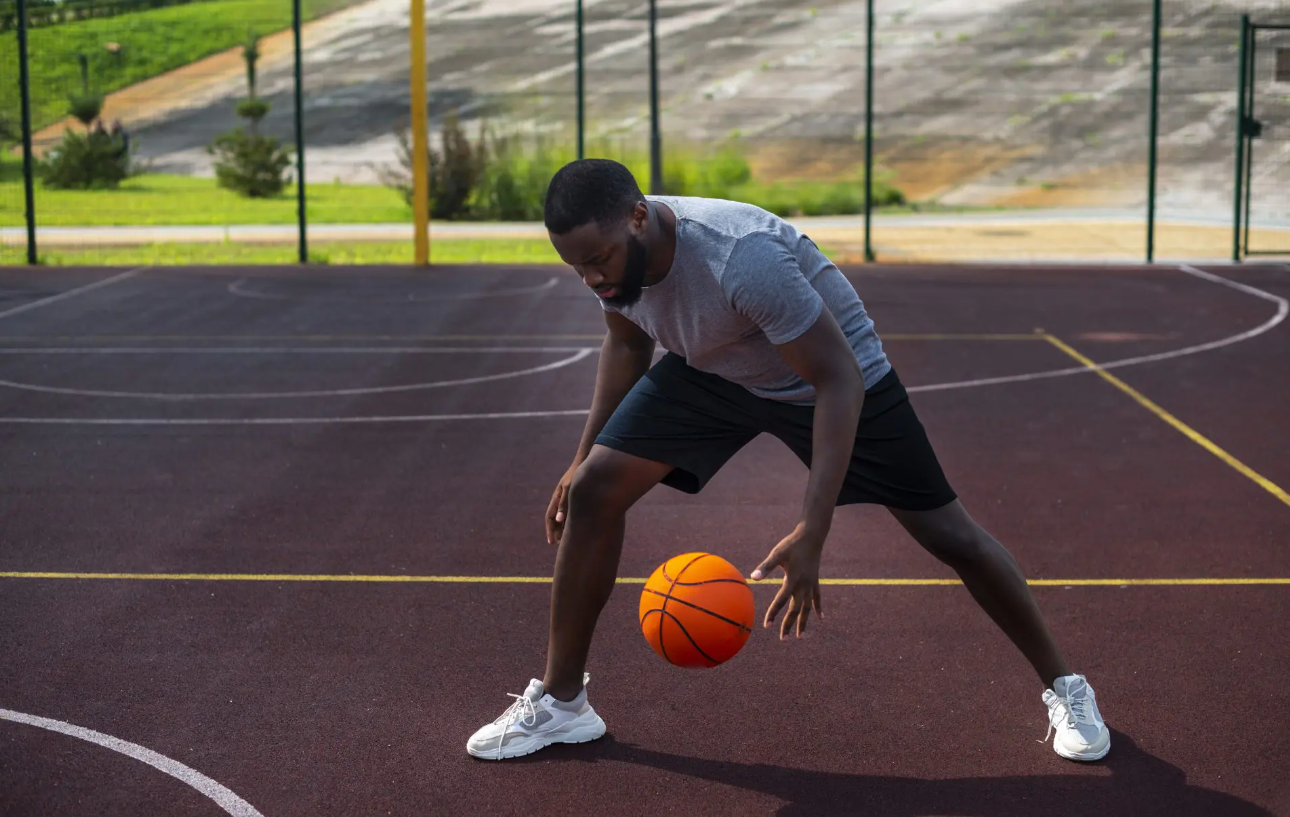
Exposing young basketball players to leadership roles will aid in building responsibility and confidence. The coaches are able to give various players various responsibilities like leading warm-ups, motivating teammates, or assisting in organizing drills.
Through leadership activities, the athletes learn that each player is important, regardless of whether he or she is the best scorer or a team player.
A good team consists of players that are able to motivate, communicate and support one another.
Team Goal-Setting Sessions
Goal setting is a joint effort to develop a common vision of the season. Coaches can hold brief team meetings during which players discuss what they would like to work on and how they can help one another.
Examples of goals are to work on communication, work harder in practice, or develop a stronger sportsmanship.
Young athletes will have a greater sense of responsibility and commitment when they set goals as a team.
Fun Activities Outside Basketball Practice
Team bonding does not necessarily have to take place on the basketball court. The players can be connected in a relaxed setting by simple activities such as team meals, community service projects, or group activities.
Good friendships tend to result in improved teamwork since the players know and respect one another.
Positive team experiences can make young athletes enjoy the sport and be motivated during the season.