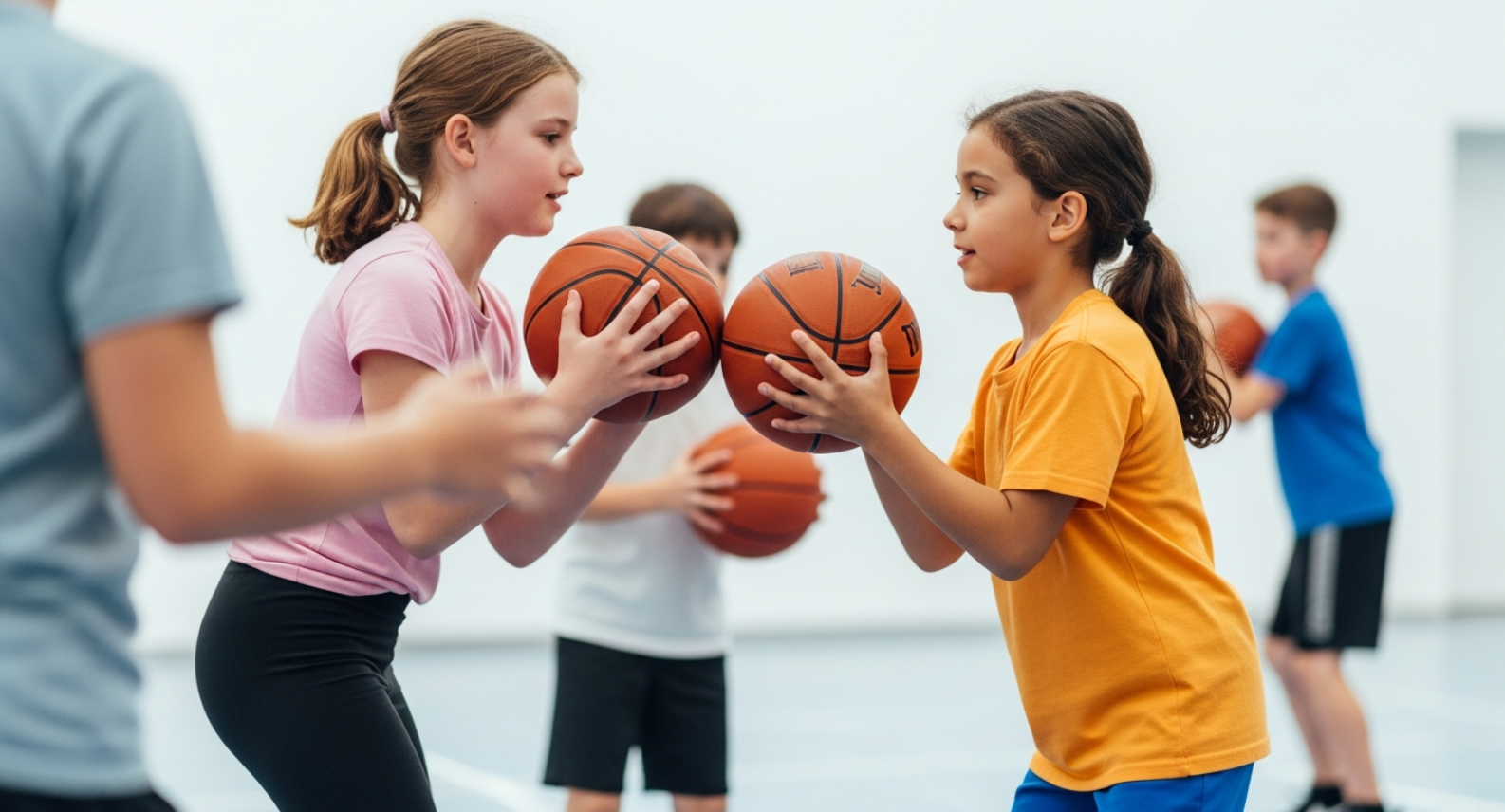

It takes more than hard work and dedication to be a high-performance sport. Elite level athletes require well-thought-out training regimens that are specific to the requirements of their sport. Specificity in sports training is one of the most significant concepts of successful athletic development.
Specificity implies that training must be very specific to the movements, skills, energy needs, and physical demands of the sport that an athlete is engaged in. Training must equip the body with the specific demands that it will encounter in competition whether the athlete is a basketball player, a runner, a swimmer or a football player.
Knowing the importance of specificity can guide athletes to perform better, minimize the risk of injuries, and achieve optimal performance.
What Is Specificity in High-Performance Sports?
Specificity principle is the fact that the body is specific to the kind of training it does. Simply put, sportsmen get improved in whatever they train.
An example is that a basketball player can increase jumping capacity by training explosive movements such as jumps, sprints and change of direction. A long-distance runner enhances stamina by engaging in regular training that is based on running as opposed to doing strength exercises.
Specific training brings about changes in the muscles, energy systems, coordination and movement patterns that directly assist in athletic performance.

Why Specificity Matters for Athletic Performance?
Each sport has its own physical and technical requirements. The training programs of high-performance athletes should be based on those requirements.
A basketball player must be fast, agile, be able to jump high, coordinate and be able to endure on the field. A swimmer needs good technique, water efficiency and muscular endurance. A tennis player must be fast in responding, be able to rotate, and make repeated bursts of energy.
The only way to train athletes to meet these needs is to train them in the skills and abilities that they employ most in competition.
Specificity Improves Sport-Specific Skills
Among the greatest advantages of specificity, one can distinguish better skill development. Training of movements, which are applied in competition, makes the athletes more efficient and confident.
As an example, a young basketball player who wishes to become a better shooter, must consistently practice shooting in game-like situations, when pressured, and at game-like speeds. Basic shooting without movement or defensive pressure might not be enough to train the athlete to be ready to play in the real world.
Sport specific practice assists the athletes to acquire improved technique, timing, and decision-making skills.
Specificity Helps Develop the Right Physical Qualities
Sports vary in terms of the mix of strength, speed, endurance, and power. Special training makes athletes gain physical skills which are most important to their sport.
A basketball player can also specialize in explosive power to jump and move fast. A marathoner can be focused on cardiovascular endurance and effective pacing. A football player can require a mixture of strength, speed and repeated sprint capacity.
Athletes are able to enhance performance better by focusing on the appropriate physical attributes.
Energy System Training and Specificity
Various systems of energy are used by the body based on the activity. High-performance training must take into consideration the most important energy systems in a given sport.
To illustrate, basketball is characterized by repeated short periods of high activity such as sprinting, jumping and quick movements and then short periods of rest. Similar patterns should be incorporated in training to equip the body to situations in the game.
Endurance athletes, however, require training that builds up the capacity to maintain effort longer.
Training intensity and duration that matches competition needs assist athletes to perform optimally at the time when it is most needed.
Specificity in Strength and Conditioning Programs
Not all sports should train athletes in the same way as far as strength training is concerned. An effective strength and conditioning program take into account the movements and challenges that athletes face in the competition.
Exercises that enhance lower-body power, balance, and explosive movement could be beneficial to a basketball player. A swimmer can pay more attention to the strength of shoulders, their mobility, and endurance.
It is not just to get stronger but to gain strength that enhances performance in sports.
How Coaches Use Specificity in Training?
The principle of specificity is applied by coaches as they develop training plans of athletes at various levels. They study the sport, position, competition plan and the needs of the individual athlete.
An effective training program may involve both general fitness training and sport-specific training. General training develops general athletic qualities and specific training develops athletes to be ready to compete in actual situations.
This moderate method enables the athletes to keep on improving without straining themselves with training.

The Importance of Progression Along with Specificity
Specificity is important but athletes cannot train at maximal intensity immediately. Adequate development is required to develop strength, skills, and endurance in a safe manner.
Gradual development is particularly required in young athletes. Raising the intensity of training excessively may result in fatigue, ineffective performance or injuries.
Specificity and progressive training can be combined to enable athletes to get better with time.
Examples of Specificity in Different Sports
In basketball, specificity can be in terms of practicing defensive skills, shooting under pressure, fast break and explosive jumping.
In soccer, players can emphasize passing, sprinting, directional change and endurance related exercises that simulate match scenarios.
Swimming is a sport whereby athletes practice particular strokes, race lengths, and pacing techniques.
These illustrations demonstrate why athletes will enhance quicker when their training is as near to the sport requirements as possible.
Although general fitness is a great starting point, sport-specific training can enable athletes to perform to the best of their ability. With the help of the specific demands of the competition, athletes will be able to enhance their skills and efficiency, as well as gain the self-confidence that will help them compete effectively.
To athletes, coaches and trainers, specificity is vital in designing effective training programs that will facilitate long term performance and development.