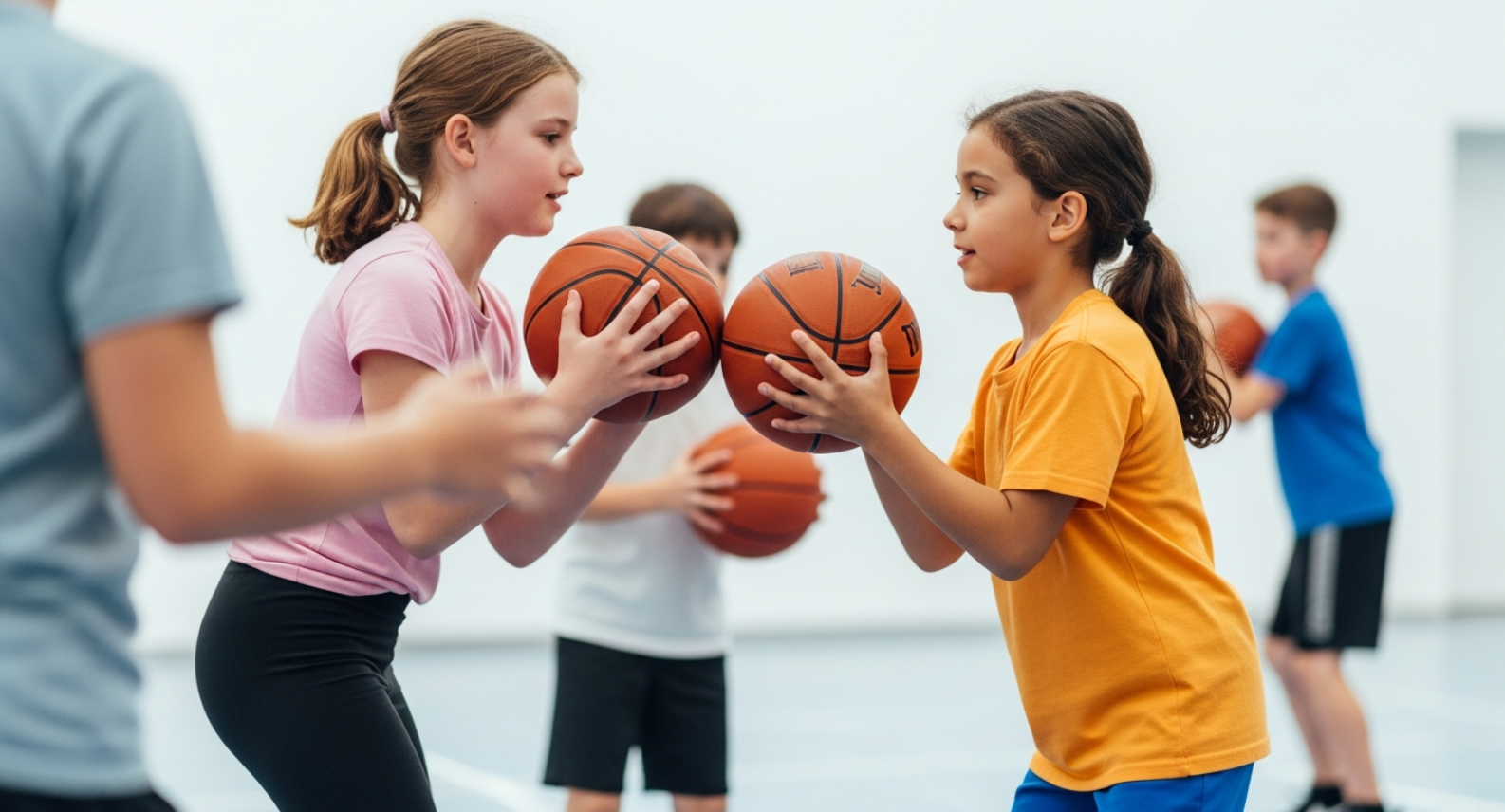
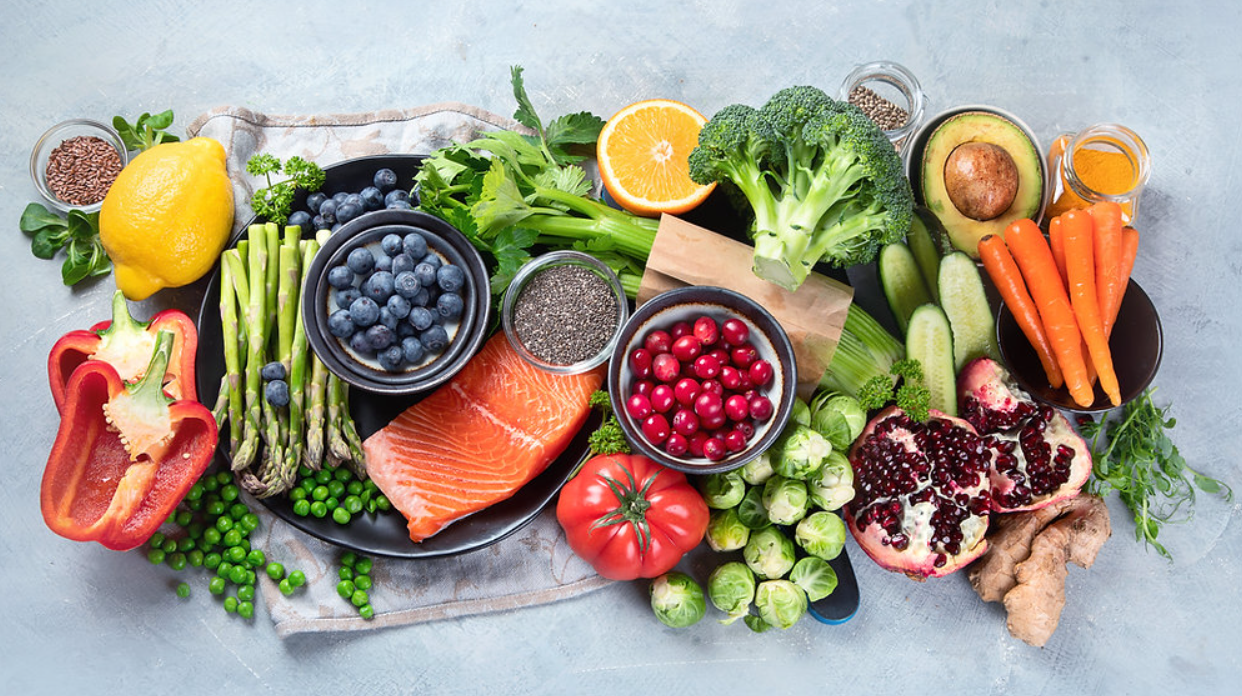
Basketball is a high-speed game that demands power, speed, concentration and stamina. Practice sessions, games and training can be energy consuming to young players. Although skill development and frequent training is a significant factor, nutrition is a significant factor that will enable young athletes to perform better and grow stronger.
A healthy diet provides basketball players with energy to remain active, recuperate after exercise, develop muscle and healthy growth. Knowledge on what to consume prior, during, and after basketball activities can enable young athletes to achieve their maximum potential.
Why Nutrition Matters for Young Basketball Players?
Young basketball players are still in the developmental stage and hence their bodies require sufficient nutrients to sustain their athletic performance as well as growth. Proper nutrition also increases energy levels, focus, muscle rejuvenation and health.
Without the right nutrition, players can be fatigued easily, have difficulties in their practices or take more time to recuperate after vigorous exercises. Properly balanced diet plan assists in maintaining constant energy levels throughout the day and meets the physical needs of basketball.
Start With a Balanced Plate
Healthy basketball diet does not have to be complex. The idea is to incorporate a diverse range of foods that contain carbohydrates, protein, healthy fats, vitamins, and minerals.
The primary source of energy among basketball players is carbohydrates. Whole-grain bread, rice, pasta, potatoes, fruits, and oats are some of the foods that enable the muscles to be energized during practices and games.
Protein is a vital component in muscle growth and repair. Protein sources include chicken, fish, eggs, lean meat, yogurt, beans, nuts, and milk which are good sources of protein to young athletes.
Healthy fats also promote energy and body growth. Avocados, nuts, seeds, and olive oil are foods that contain essential nutrients that ensure that the body is operating well.

Best Foods to Eat Before Basketball Practice or Games
Proper meal intake prior to playing can enhance performance and energy. The pre-game meal must give enough energy without leaving the players with a full stomach and feeling too full.
Basketball players who are young ought to concentrate on foods which are easily digestible and high in carbohydrates. Some of the good ones are oatmeal and fruit, turkey sandwich, yogurt and granola or a banana and peanut butter.
Eating a bigger meal about two to three hours prior to playing is normally the best. In case of less time, a small snack 30-60 minutes before practice can give an additional energy.
Heavy, greasy foods should be avoided immediately before playing as they may slow down the digestion process and cause movement to be more challenging on the court.
Stay Hydrated for Better Performance
One of the most significant aspects of sports nutrition is water. Mild dehydration may have an impact on energy, concentration, and athletic performance.
Young basketball players need to consume water on a regular basis during the day and not just during the games. Pre-practice drinking of water is beneficial in preparing the body and in-between beverage drinking is beneficial in replacing lost fluids through sweat.
Sports drinks can be used to supplement electrolytes in longer training sessions or harder games, but most young athletes should continue to rely on water as their primary source of hydration.
What to Eat After Basketball Training?
Recovery nutrition assists the body to repair the muscles and be ready to go to the next workout. Young players ought to consume a mixture of protein and carbohydrates after a practice or a game.
Examples of recovery snacks would be chocolate milk, a fruit smoothie with yogurt, a peanut butter sandwich or a meal of lean protein and whole grains.
Having a meal within a sensible period after exercise aids in replenishing energy reserves and muscle recuperation. This is particularly necessary to players who train more than once a week.
Vitamins and Minerals that are Important in Growth
Calories are not the only thing that young athletes require. Minerals and vitamins help to maintain good bones, good muscles and general growth.
Calcium and vitamin D are beneficial in bone strength particularly in growing years. These nutrients can be obtained by consuming dairy products, fortified foods, and leafy green vegetables.
The importance of iron is also that it aids in the transportation of oxygen in the body. Healthy iron levels can be maintained by foods such as lean meats, beans, spinach, and fortified cereals.
Daily meals should be made up of a variety of colorful fruits and vegetables as they contain antioxidants and other vital nutrients.
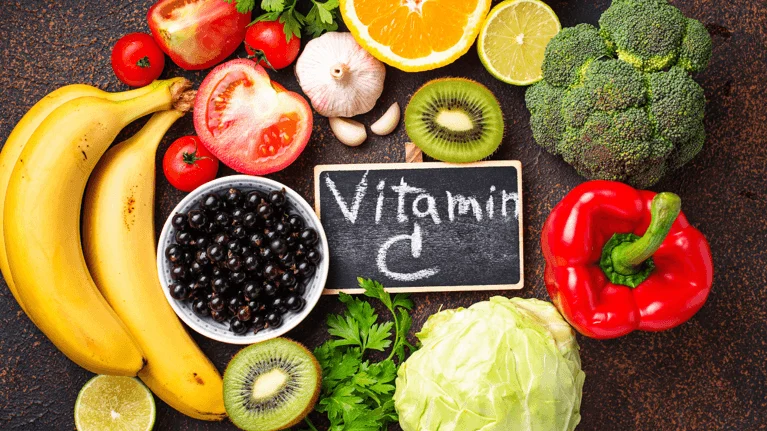
Important Vitamins and Minerals for Growth
Good nutrition does not involve adherence to specific diets. It is concerned with the establishment of regular routines that help in maintaining an active lifestyle.
Young basketball players need to not skip meals, use less sugary foods, and eat whole foods as much as they can. Regular meals during the day are beneficial in keeping the energy constant and avoiding fatigue.
Sleep is also a significant aspect of athletic development. Proper rest and a healthy diet enable the body to rejuvenate and grow in the right manner.
Healthy Eating Habits for Long-Term Success
Small daily changes can help young athletes to become better at basketball. Replacing sugary beverages with water, increasing the consumption of fruits and vegetables, consuming protein with meals, and planning healthy snacks can help a lot.
Parents and coaches can also assist young players by making it easy and enjoyable to eat healthily.
Diet is an important aspect of being a better and more successful basketball player. The right food will give you the energy to train, build more muscles and enable young athletes to recover quicker.
A healthy diet consisting of good carbohydrates, protein, healthy fats, and lots of fluids can enable young basketball players to perform optimally on the court and also aid healthy development. Early practice of good eating habits can establish a solid base towards success in athletics later in life.