CLUB
TEAMS
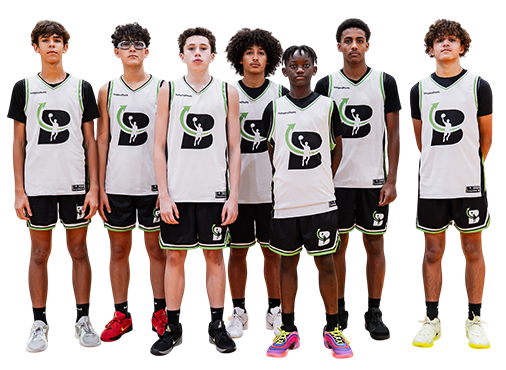
PEE WEE
DIVISION
JUNIOR
DIVISION
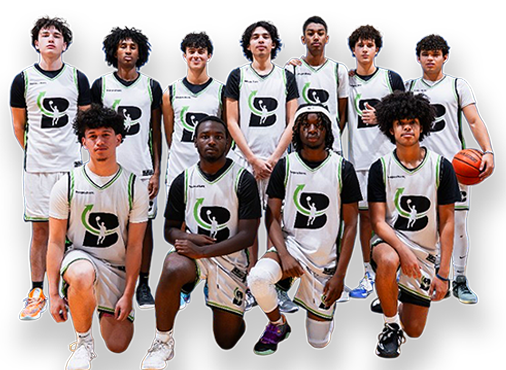
SENIOR
DIVISION
OUR SYSTEM
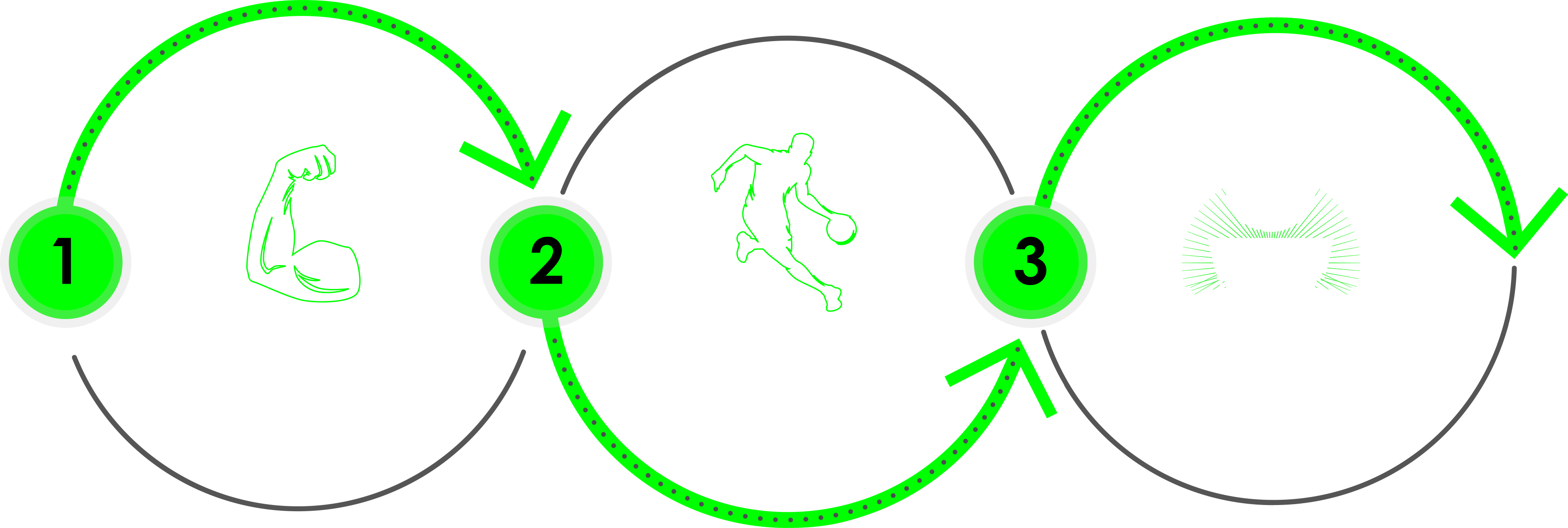
Next Level Basketball’s Player Development Program is based on the Next Level Basketball System. The first pillar is that players participate in athletic development, skill development and club team components. The second pillar is that players are placed in groups based on skill level (Level 1, Level 2 and Level 3). The third pillar is the Next Level Basketball Standardized Curriculum (NLBSC), which is taught in six monthly increments in our skill development component.
DEVELOPMENT
DEVELOPMENT
TEAMS
IN A NUTSHELL
Be in a program where player development is the priority and every player can reach their potential, whatever that is, and not get lost in the shuffle of playing games and putting training on the back burner.
Be in a program where health is a point of emphasis, and athletic development and skill development work hand-in-hand to produce strong, durable athletes while avoiding the grind of tournaments where players play multiple games in a day.
Be in a program where teams at different levels understand the same system, and things are streamlined because the emphasis is on players making decisions, not running an abundance of plays. Be in a program where players can learn to prepare and scout for opponents with film, with time in between games.
Add Your Heading Text Here
TEAM PRINCIPLES
Our goal is to help players reach their potential. From that standpoint, we see challenging players to grow as imperative. For example, we will not shoehorn taller players into exclusively playing in the post. Another example is, we will not play a zone for long stretches because our players are struggling to plan man-to-man. The process is what matters most for us, and winning for us comes through that process. This is important across all age divisions in our program.
Players will earn different roles on the teams they are on, and competition will drive productivity on the court. Every team, season-by-season, will have a leading scorer, a second-leading scorer, a third-leading scorer, a best defender, a “sixth man,” etc. It is important that players and parents understand that these things can change in the future, in either direction.
It is important to note that player development and personal development are not mutually exclusive. Accepting a role on a team, cheering for teammates, having a great attitude and working hard every day regardless of role are pillars of a Next Level person. Tracking the holistic development of a human being is a lot more than measuring how many minutes they played on the court or whether they are starting. Someone can play low minutes and learn a lot on the court, or develop psychological resilience, have fun, build community and learn to work with others. Roles can change, and opportunities do come, but every player is different and we try to have perspective about that.
Add Your Heading Text Here
WE PLAY IN
AND MORE
How we play:
S.A.A.D
OFFENSIVE AND DEFENSIVE SYSTEM:
CONCEPTUAL BASKETBALL
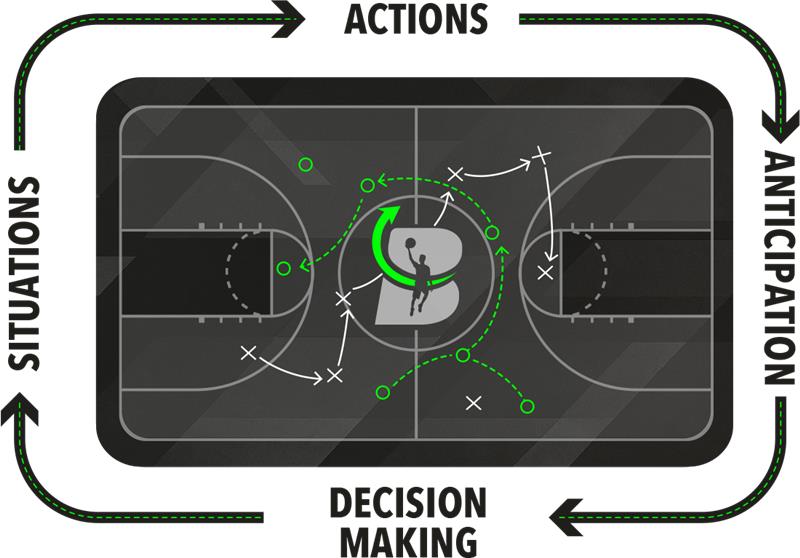
Our practices are connected to our skill development component and therefore extend the use of the same tools we apply on the court, which you can review HERE(Hyperlink to player development program page). Led by a Dynamic Training methodology, primarily a Games-Based Approach and a Constraints-Led Approach, our practices look to further extend our training to take in the whole context of the 5-on-5 game. These approaches lend themselves to players developing their decision-making and anticipation on the floor through different actions and situations.
We recognize that there are many effective strategies in basketball. Offensively, continuity sets and half-court plays can work well; defensively, zone and junk defenses can be powerful tools. Each has its place depending on the team and situation.
Our chosen approach is conceptual offense and defense, which aligns with the principles of dynamic training. Players learn to execute actions efficiently in a situational, game-based context while developing their decision-making and processing skills. This ensures that player development remains the priority, building smart, adaptable, and skilled athletes.
TELL ME MORE
Conceptual offense is nothing more than saying we are playing through concepts. We have different spacing templates at the players disposal and different 2- and 3- man actions we may be choosing to emphasize. The goal is for players to make the right reads based on the defense, not to focus on following rules or automatic reads. The players and coaches should focus on countering their opponents in real-time, and become adaptable and unpredictable. This isn’t easy to do and has an, arguably, bigger learning curve than mastering a slew of set plays and looking good, but the long-term playoff is more creative and better thinkers on the court. The plus is, by practicing this way, they’ll learn a bevy of skills too.
This is the flipside of conceptual offense. A Zone defense, while effective against some personnel, isn’t always sustainable. Playing man-to-man defense, and having players capable of guarding different actions with different coverage solutions increases their ability to adapt to future problems on the court. Knowing when to trap, rotate, switch, stay or contain and being able to communicate through those are things that can be learned through dynamic practices, or GBA and CLA practices.
Being unpredictable in your defense may be just as important as doing so in your offense.
Our practices are similar to our skill development sessions, just with more of a full-court and 5-on-5 context. A Games-Based Approach will guide us toward constructing Small-Sided Games that are meant to get our players seeing live, situational game context on the court, and a Constraints-Led Approach will be our coaches tweaking the games with constraints, which are limitations that can invite the actions that the coach wants to see more of.