Dribbling is one of the most important skills in basketball. Whether you’re a beginner learning the basics, a high school player trying to make the varsity team, or an adult hooper working on your handle at the local gym, strong dribbling skills can instantly raise your game.
Great dribblers don’t just bounce the ball they control pace, create space, protect possession, and set up scoring opportunities for themselves and their teammates. The good news? Dribbling is a skill that can be trained and improved with the right approach.
This guide breaks down how to train dribbling in basketball, step by step, with drills, tips, and mistakes to avoid.
Why Dribbling Is So Important in Basketball
Dribbling is the foundation of offense. If you can’t handle the ball, it’s hard to:
- Break down defenders
- Create scoring chances
- Run plays smoothly
- Stay calm under pressure
Higher in basketball, both hands, under pressure and game speed are expected of the players in high school, college and in the NBA.
Strong dribbling leads to:
- Fewer turnovers
- Better court vision
- More confidence on the floor
Understanding the Basics of Basketball Dribbling
It is necessary to know the basics before moving to more complicated exercises.
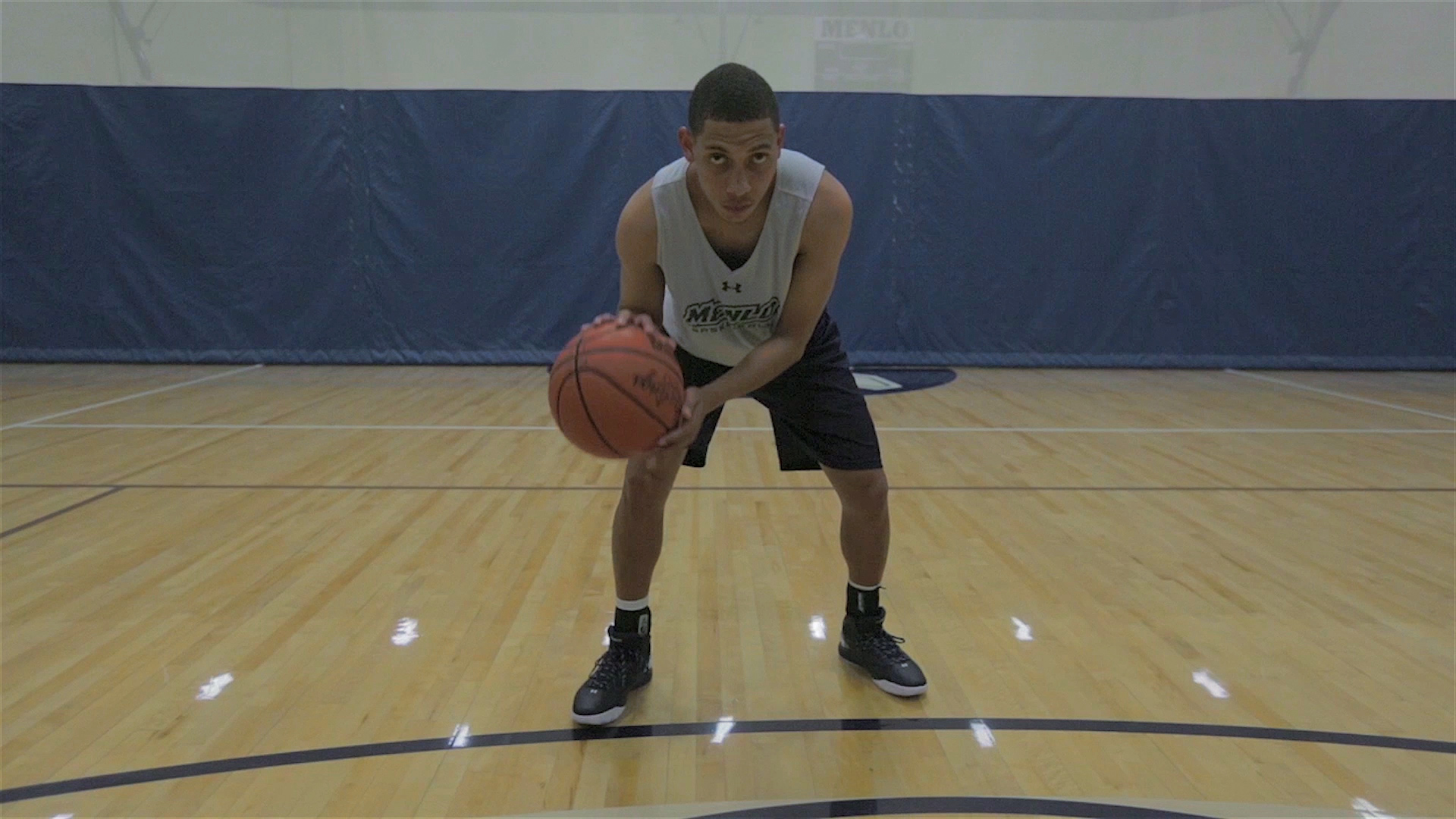
Proper Dribbling Stance
- Good dribbling begins with body posture
- Knees bent and hips low
- Chest up, eyes forward
- Feet shoulder-width apart
- Stay on the balls of your feet.
This sporting position assists you to respond fast and defend the ball.
Hand Position and Ball Control
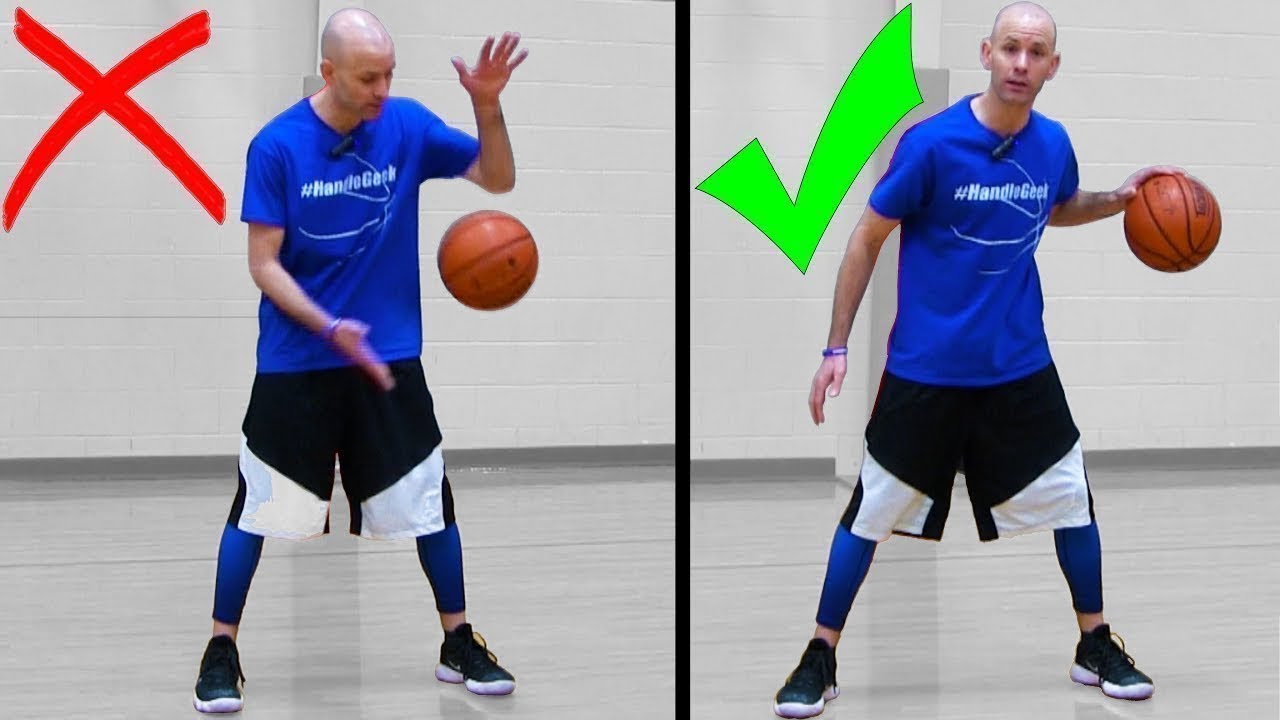
- Do not use your palm but your fingertips.
- Keep your wrist relaxed.
- Bend the ball down, do not slap it.
- Shake the amount of your dribble.
Defenders also have a hard time stealing low dribbles that are controlled.
How Often Should You Train Dribbling?
Consistency matters more than long workouts.
Recommended schedule:
- 15-30 minutes per session
- 4-6 days per week
Even brief sessions every day will radically give you more control over time.
Stationary Dribbling Drills (Build Control and Confidence)
Stationary drills help develop ball control without worrying about movement.
Pound Dribbles
- Shake the ball on the waist hard
- Stay low and strong
- Do 30-50 reps per hand
This develops power and dominance.
Low Dribbles
- Dribble below knee height
- Hold the ball close to your body
- Alternate hands
Low dribbles help to defend the ball against the defenders.
V-Dribbles
- Move the ball up and down in a V manner.
- Start with one hand, then both.
- Pay attention to fast, short moves.
This exercise enhances the speed of hands.
Moving Dribbling Drills (Game-Realistic Training)
Basketball is also played on the run hence your dribbling training should also be accompanied by the movement.
Walking Dribbles
- Dribble and walk forward
- Keep your head up
- Switch hands every few steps
This assists the beginners to develop confidence during movement.
Speed Dribbles
- Push the ball out in front
- Run at 70-90% speed
- Practice with both hands
Fast breaks largely depend on speed dribbling.
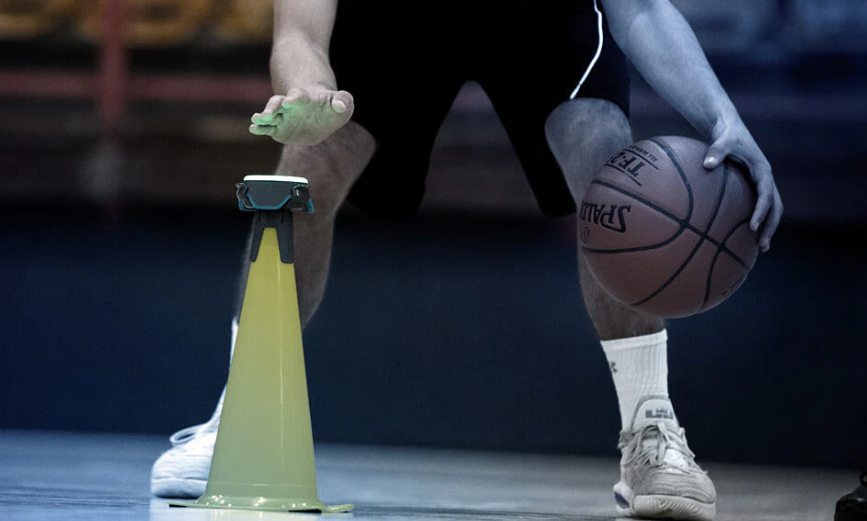
Zig-Zag Dribbling
- Prepare cones or imaginary defenders.
- Alter course with every turn.
- Make cross overs, behind-the-back or between-the-legs movements.
This drill teaches control while changing direction.
Training Weak-Hand Dribbling
Poor off-hand control has been one of the greatest weaknesses of many players.
Why Weak-Hand Dribbling Matters
Higher levels of defenders will put you to your weak hand. When you are unable to dribble easily using both hands, then you are predictable.
Weak-Hand Training Tips
- Take additional reps with your weak hand.
- Begin each exercise with a weak hand.
- Dribble when in everyday activities (at home or elsewhere)
Progress may feel slow at first, but it pays off.
Advanced Dribbling Drills for Skill Development
When you are familiar with the fundamentals, you can add more complicated exercises.
Two-Ball Dribbling
- Bounce two balls simultaneously.
- Both hands should start at the same height.
- Advance to alternating heights.
This enhances coordination and concentration.
Combo Moves
Exercise in connecting moves, as:
Crossover – behind-the-back
Between-the-legs – step-back
Hesitation – crossover
The combo moves are used to break the defenders in the real games.
Pressure Drills
- Have a partner use some defense
- Use a shot clock or countdown
- Concentrating on how to remain composed when stressed.
This is simulated to real-game situations.
How to Train Dribbling with Your Head Up
Great dribblers see the floor, not the ball.
Why Head-Up Dribbling Is Crucial
By holding your head high, you will be able to:
- Read defenders
- Find open teammates
- Make better decisions
Head-Up Training Drills
- Call out numbers or colors and dribble.
- Dribble and watch television or signals of a coach.
- Dribble and pass on command.
These exercises are brain and hand training.
Common Dribbling Mistakes to Avoid
A bad habit can be developed by even a committed player.
Looking Down at the Ball
This narrows down your sight and decision-making process is slowed.
Dribbling Too High
It is easier to steal high dribbles especially on traffic.
Over-Dribbling
Excessive dribbling may paralyze the attack. Learn when to pass or attack.
Practicing Only Fancy Moves
Glitzy shoes are nice, yet basics are game-winners.
Creating a Simple Dribbling Workout Plan
Here’s an example of a 25-minute daily dribbling workout:
Warm-Up (5 minutes)
- Pound dribbles
- Low dribbles
- Weak-hand focus
Stationary Drills (7 minutes)
- V-dribbles
- Crossovers
- Two-ball dribbling
Moving Drills (8 minutes)
- Zig-zag dribbling
- Speed dribbles
- Combo moves
Game Simulation (5 minutes)
- Pressure dribbling
- Head-up drills
Mastery Comes from Consistency
Basketball dribbling is not about learning a single move, it is about constant and practiced training. The finest ball handlers in the game did not achieve that position one day. They took years to master the fundamentals, to work on their weak hand, and to train when they are under pressure.
Being patient, training to be smart and practicing the reps, your dribbling will get better, and once your handle is better, your whole game gets better. Take a ball now, strike the court and begin working at your handle.